

Bespoke engineeringn
Custom builds
When a vessel’s scale, operational profile, or technical constraints fall outside the scope of a standardised platform, JOOOL engineers the system from specification. The architecture, energy storage capacity, power management logic, propulsion configuration, and safety systems, is designed around the specific requirements of the project, not adapted from a standard product.
Definition
What defines a custom project
A custom integration is appropriate when one or more of the following conditions applies:
- Vessel size above 65 feet : where standard propulsion configurations require adaptation
- Energy demand profile requiring storage above 150 kWh per module, or multi-module architecture
- Specific operating zones with emission restrictions or noise regulations (protected areas, port authorities, inland waterways)
- Commercial certification requirements : passenger vessels, charter under commercial flag, classification society compliance beyond standard CE
- Multi-propulsion integration : sail + electric + thermal, or hybrid with multiple generator sets
- Structural constraints : performance hulls, lightweight construction, unconventional engine room geometry
PROJECT TYPES
Three project types
Super-yachts and large yachts — 25 m+
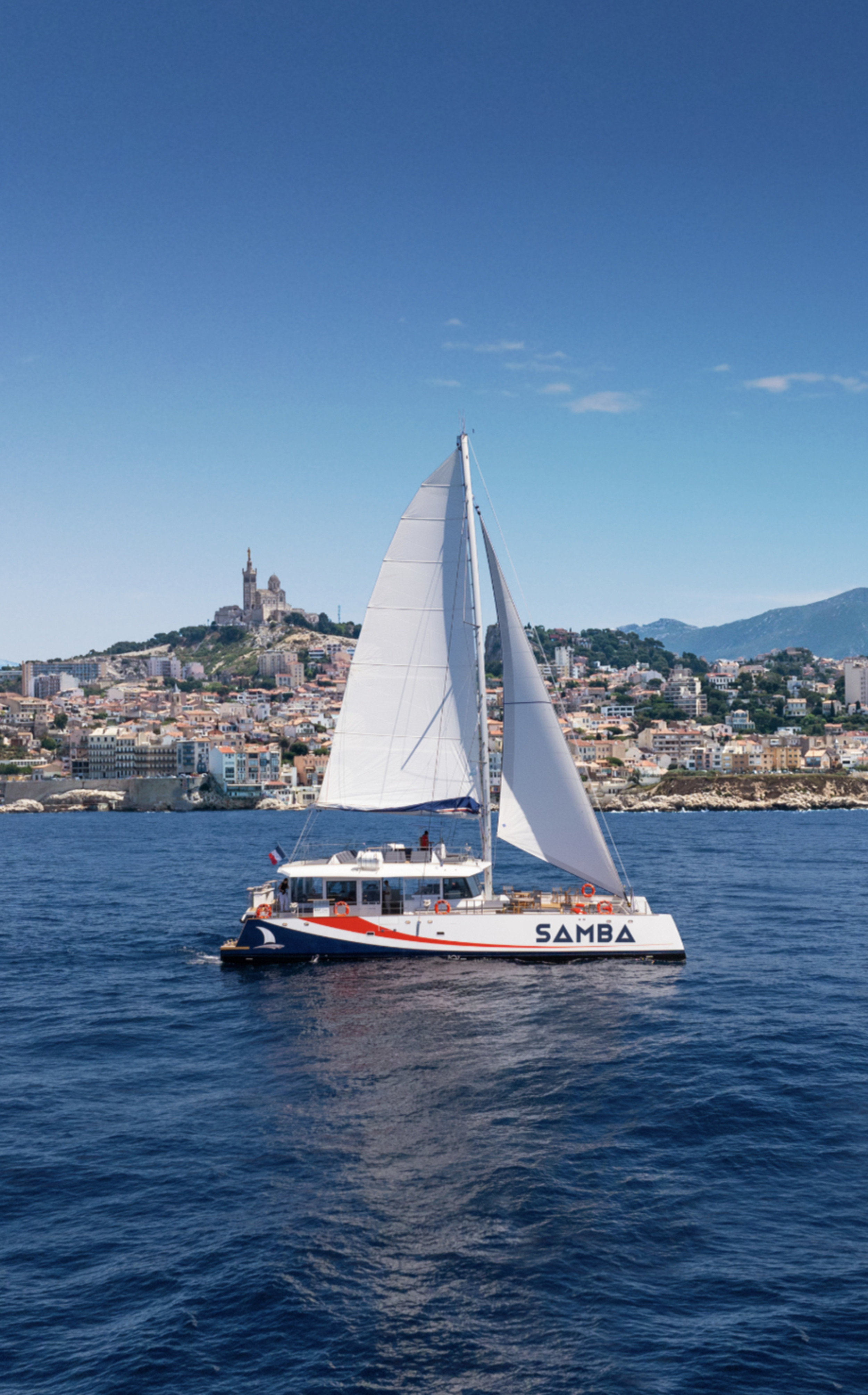
On vessels above 25 metres, energy management becomes a primary engineering discipline. Generator runtimes, hotel load profiles, propulsion power requirements, and battery sizing interact in ways that require precise modelling before specification. JOOOL designs systems for large yachts that deliver operational autonomy, extended silent mooring, electric manoeuvring in sensitive areas, reduced generator dependence, without compromising the vessel’s range or performance.
The modular architecture scales to meet the demand: up to three OneBox units in parallel, battery banks above 300 kWh, and full integration with existing generator sets and thruster systems.
Passenger vessels and day-charter craft
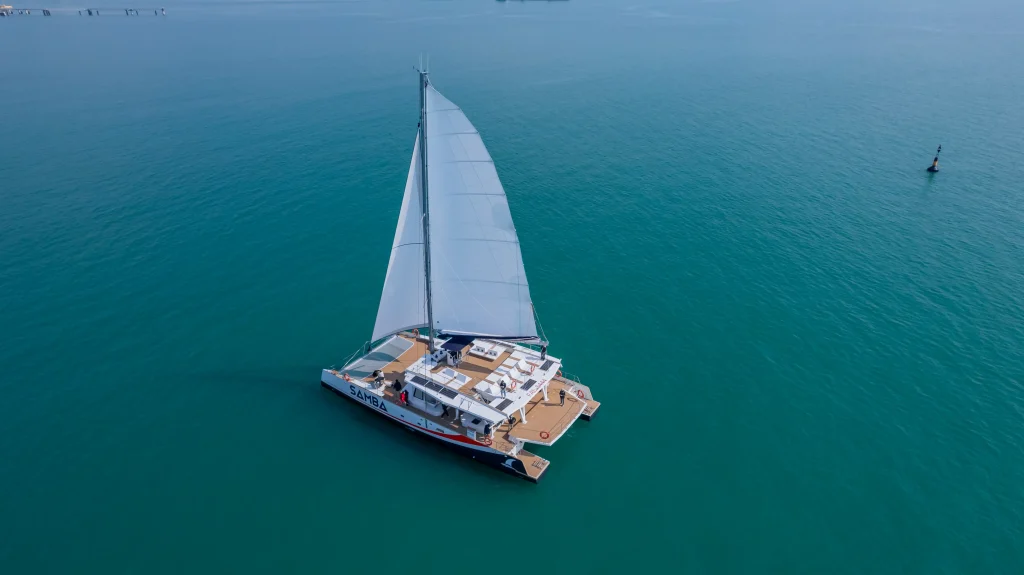
Commercial passenger operations introduce constraints that leisure yacht projects do not face: classification society certification, passenger safety regulations, commercial flag requirements, and operating schedules that impose intensive daily cycling on all systems. JOOOL has delivered systems on passenger vessels, including triple-energy hybrid configurations, under commercial European maritime certification.
Key considerations for this segment: battery bank sized for peak load during passenger embarkation and disembarkation, silent electric operation in protected coastal zones and port approaches, automated energy management that requires no dedicated operator, and service access designed for high-utilisation environments.
Offshore and competition yachts
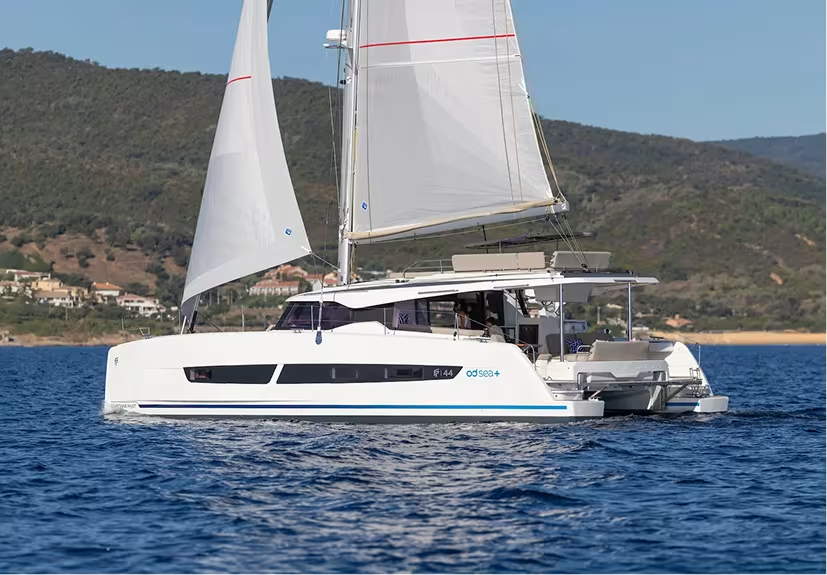
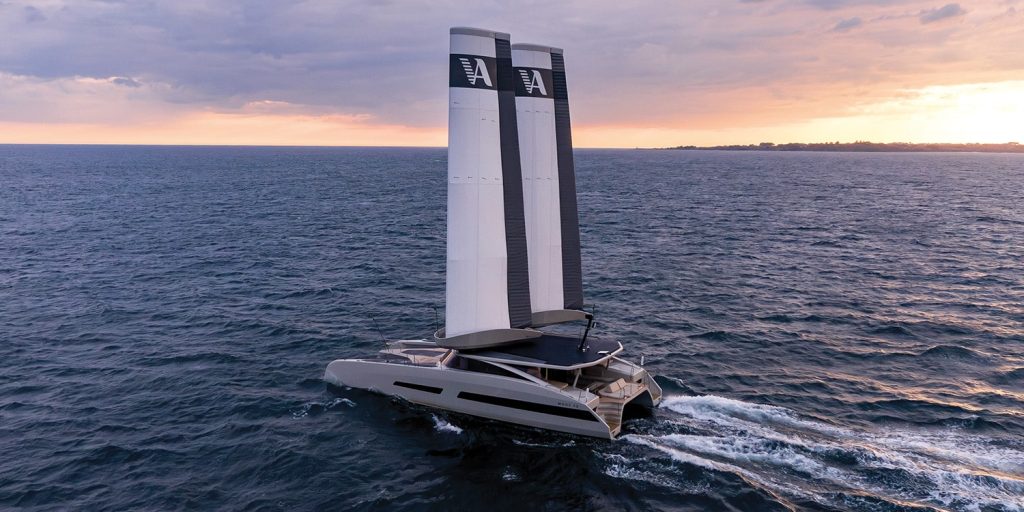
Performance sailing creates a specific set of requirements: weight budget, centre of gravity, structural integration with lightweight composite construction, and the need for propulsion that delivers reliable engine-room starts without compromising sailing performance. JOOOL has integrated systems on performance offshore yachts where the engineering challenge is fitting the system within the constraints of a hull designed for speed, not for a large engine room.
PROCESS
The engineering process
A diesel engine produces maximum torque at a specific RPM range : not at zero. When you advance the throttle from neutral, the engine must spool up, the gearbox must engage, and the propeller must overcome its own inertia before the boat starts to move. This lag, typically 1 to 2 seconds, makes precise low-speed manoeuvring difficult. You are always predicting where the boat will be, not responding to where it is.
An electric motor produces maximum torque at zero RPM. The moment you move the throttle, the motor responds: linearly, immediately, proportionally. You can apply 10% thrust, 50% thrust, or 100% thrust with equal precision. You can reverse direction without waiting for anything to change state. You are in control of the boat at every moment, not managing the lag of a mechanical system.
Discuss your project
Custom projects begin with a technical conversation. Share the vessel's specifications and operational requirements, our engineering team will assess feasibility and propose a configuration.
